

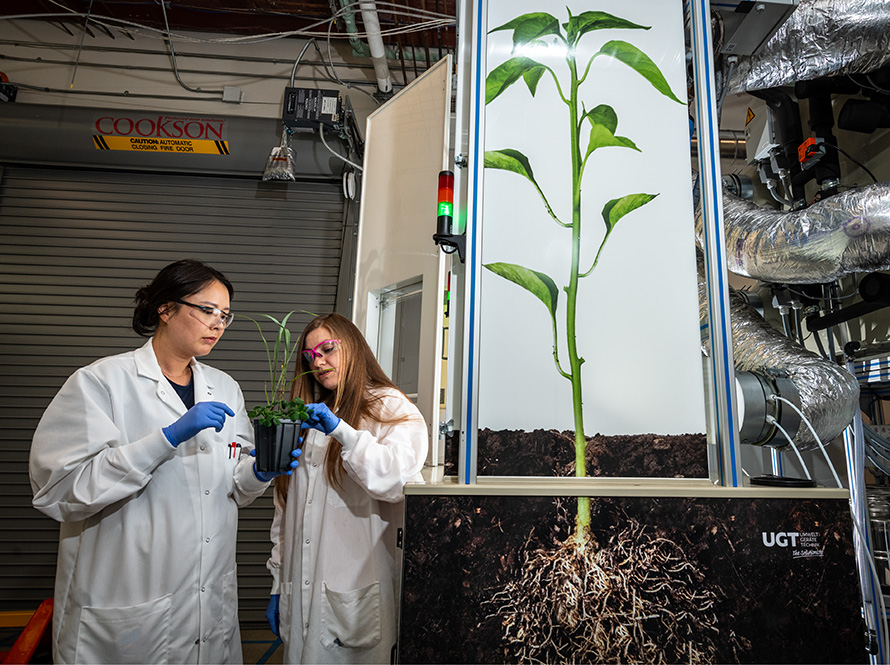
BioEPIC provides a collaborative environment to enhance existing research through a suite of next-generation tools. These dramatically improve scientists’ ability to conduct controlled experiments on interactions between soil, microbes, and plants. Instruments and computing infrastructure virtually connect BioEPIC to relevant field observatories enabling the rapid transfer of insights discovered in the laboratory to the dynamic environments in the field.
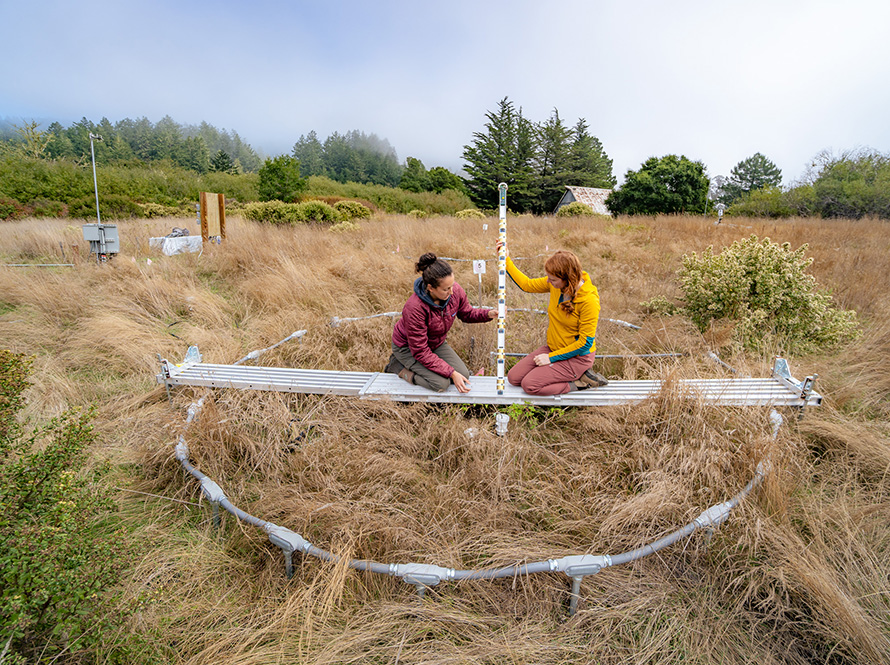
Belowground Biogeochemistry Scientific Focus Area
Scientists are advancing understanding of belowground biogeochemistry in the soil-plant-climate system to inform prediction models.
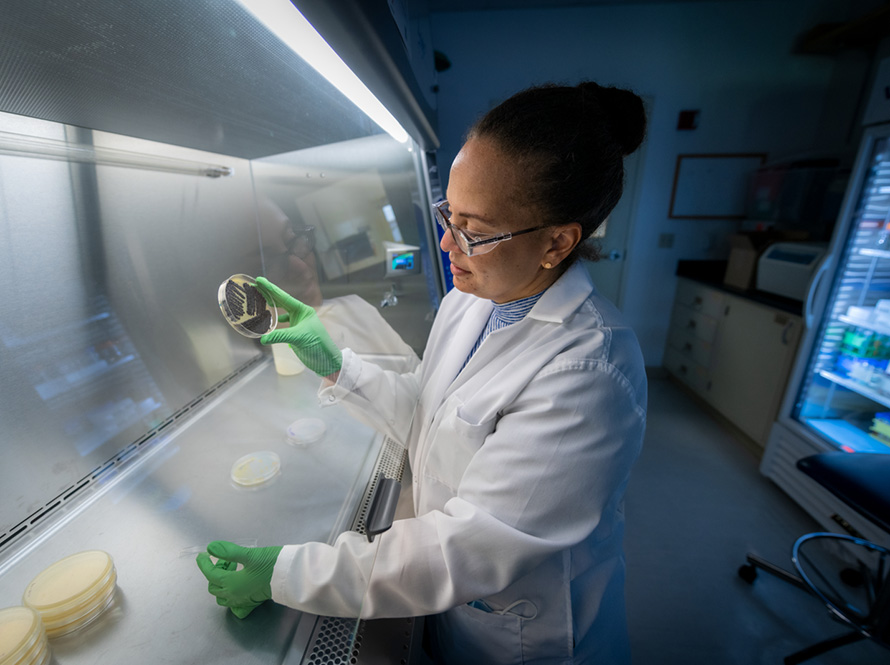
Ecosystems and Networks Integrated with Genes and Molecular Assemblies (ENIGMA)
ENIGMA Science Focus Area researchers collaborate to create a predictive model of the impacts of microbial communities on critical processes within an ecosystem.
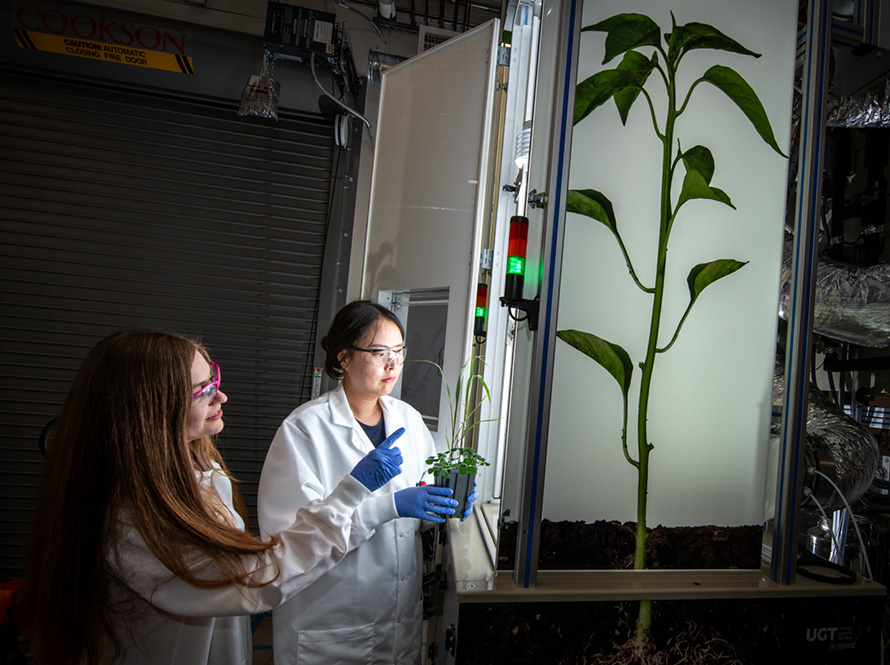
Microbial Community Analysis and Functional Evaluation in Soils (m-CAFEs)
Scientists working in the m-CAFEs Science Focus Area strive to understand and control the microscopic organisms that live on plant roots to support bioenergy.

Watershed Function Scientific Focus Area
Researchers in this Science Focus Area develop methods and tools to measure and predict how droughts and other perturbations impact downstream water availability and quality at various timescales.
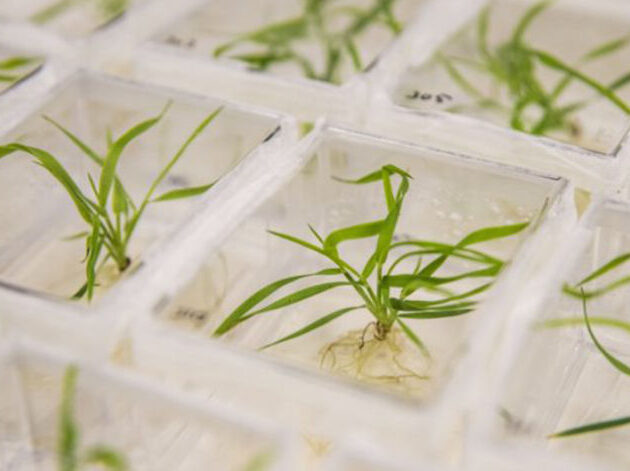
Trial Ecosystems for the Advancement of Microbiome Science (TEAMS)
Through this project, scientists create, validate, and disseminate EcoFAB technologies complete with standardized model microbial communities tailored for the microbiome science community.
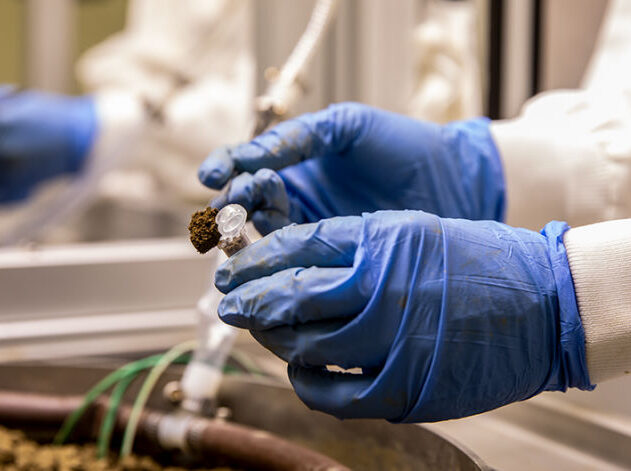
TWIN Ecosystems Project
Researchers aim to pilot “twin” ecosystems in the laboratory and field that use sensors and autonomous controls to study changes in root secretions during drought stress to see if they select for beneficial microbes.
Cryo-electron Microscopy (cryoEM)
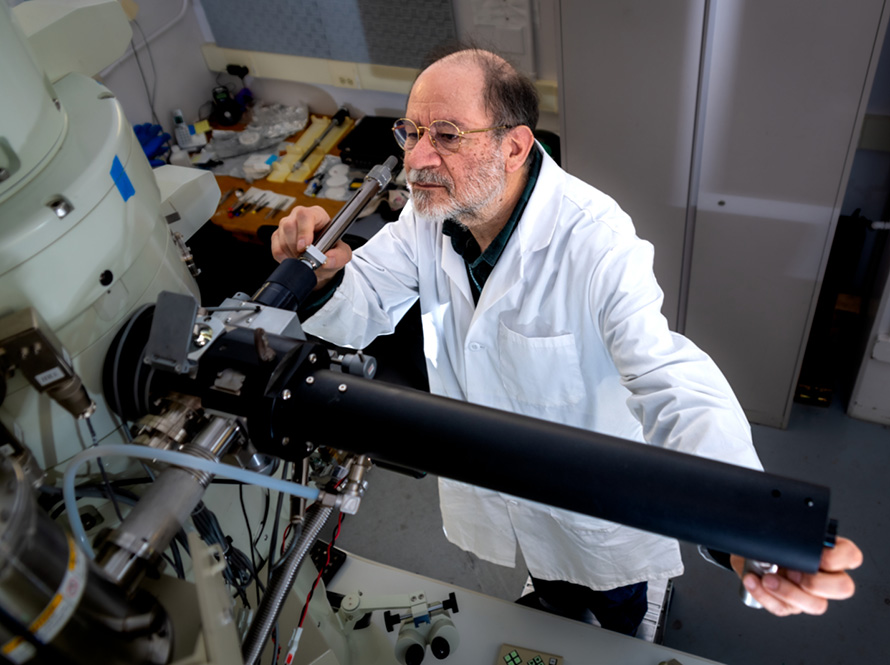
Our researchers use cryo-electron microscopy techniques to reveal structural information about proteins and infer function.
EcoBOT
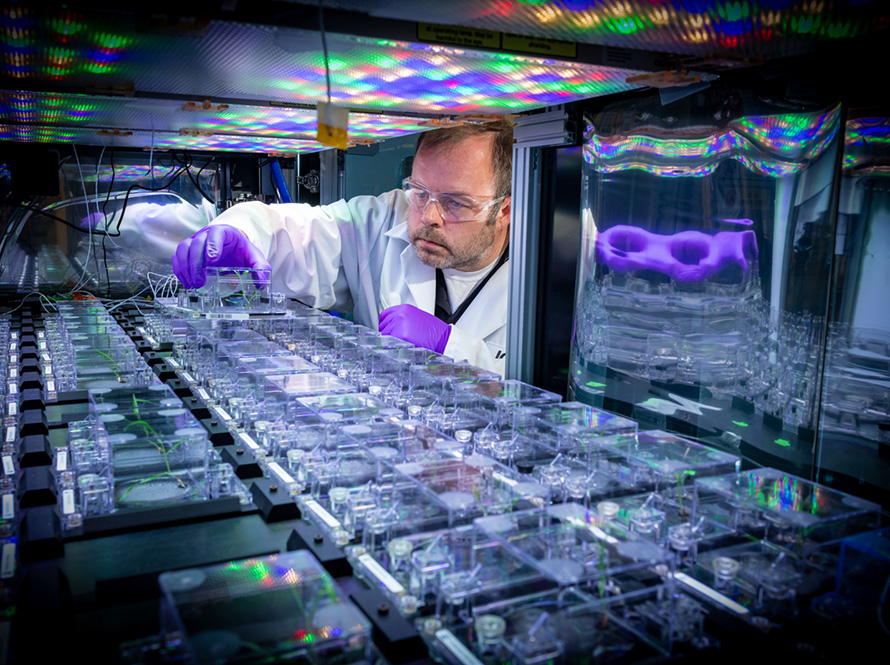
The EcoBOT is an automated all-in-one station that integrates EcoFABs and liquid handling robots to study plants in their microbiomes as they grow.
EcoFAB
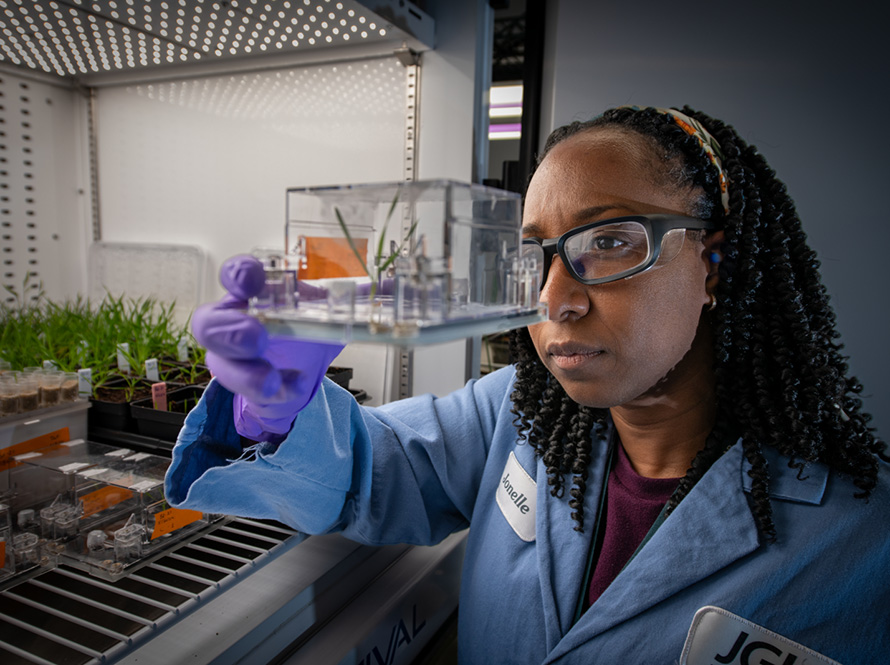
EcoFABs, or fabricated ecosystems, are sterile laboratory devices that enable controlled plant-microbiome studies under conditions where they can be imaged and sampled.
EcoPOD
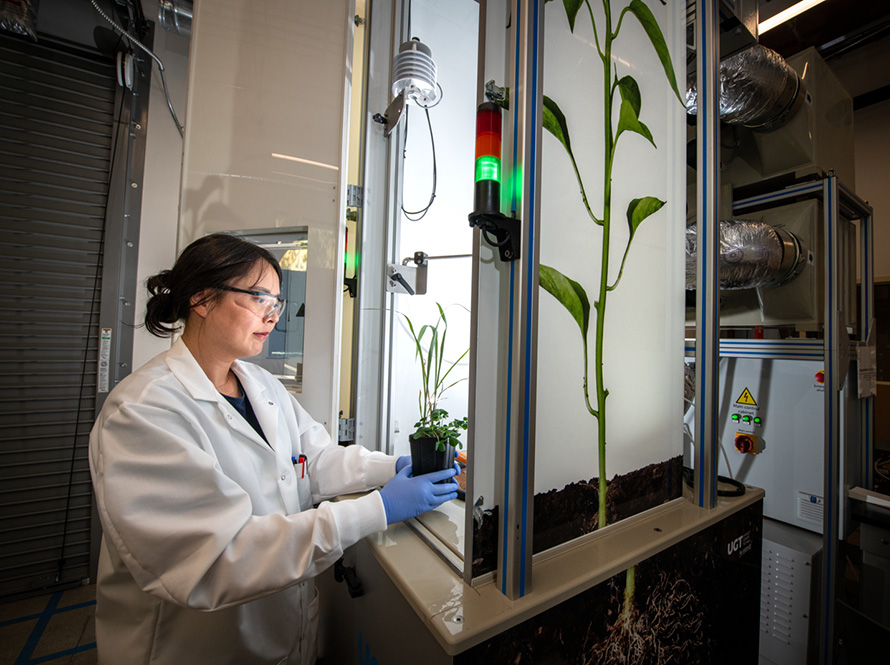
EcoPODs are enclosed environments that allow direct and intensive monitoring and manipulation of replicated plant-soil-microbe-atmosphere interactions over the complete plant life cycle.
EcoSENSE
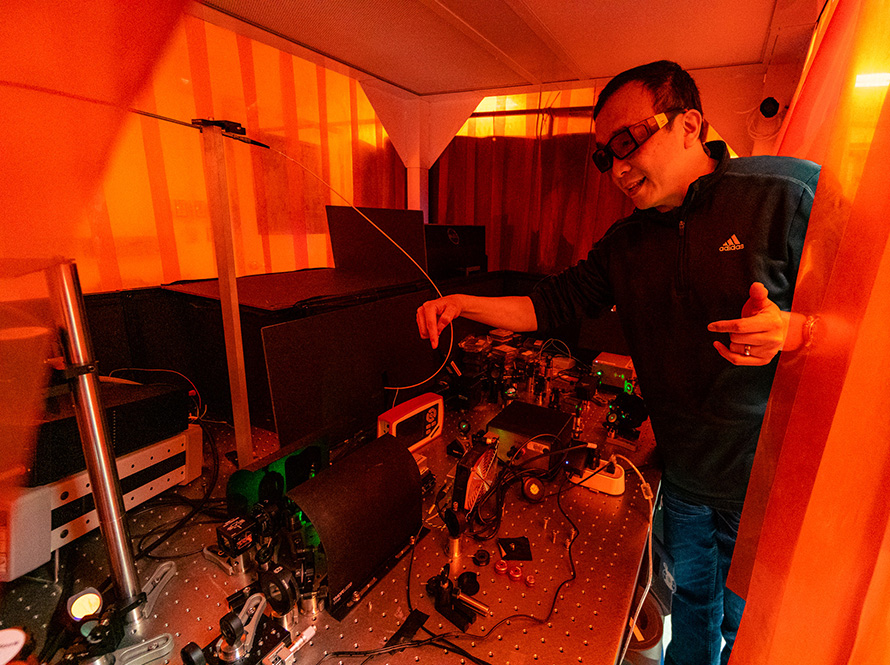
Scientists develop and deploy novel sensing and monitoring tools combined with real-time data integration and model simulation capabilities to quantify interactions between key environmental factors and biological functioning within ecosystems–from laboratory to testbed to the field.
EcoSIM
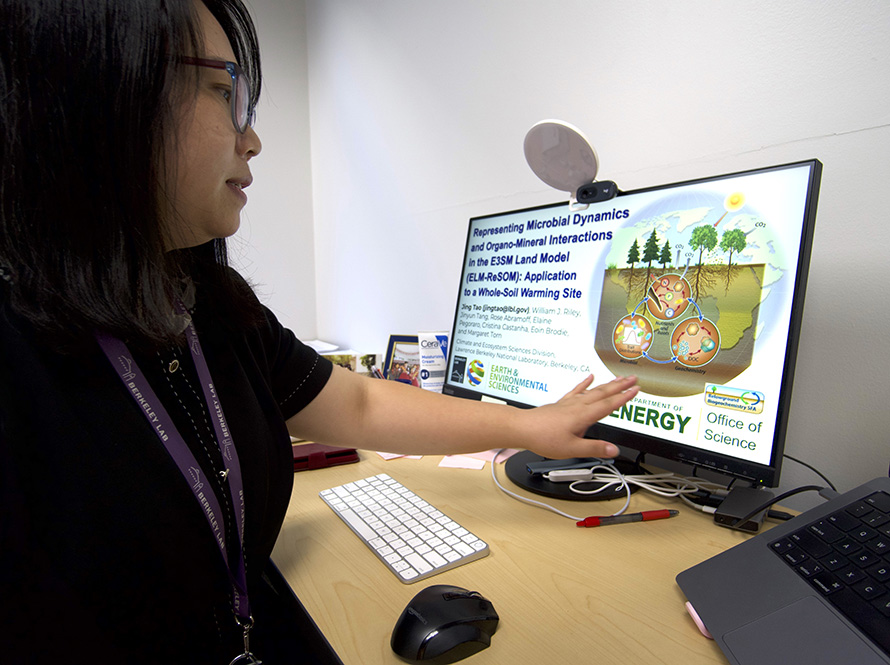
When combined with novel sensors and next-generation data capabilities, this advanced simulation framework enables improved prediction of complex ecosystems under dynamic, real-world conditions.
SMART Soils Testbed
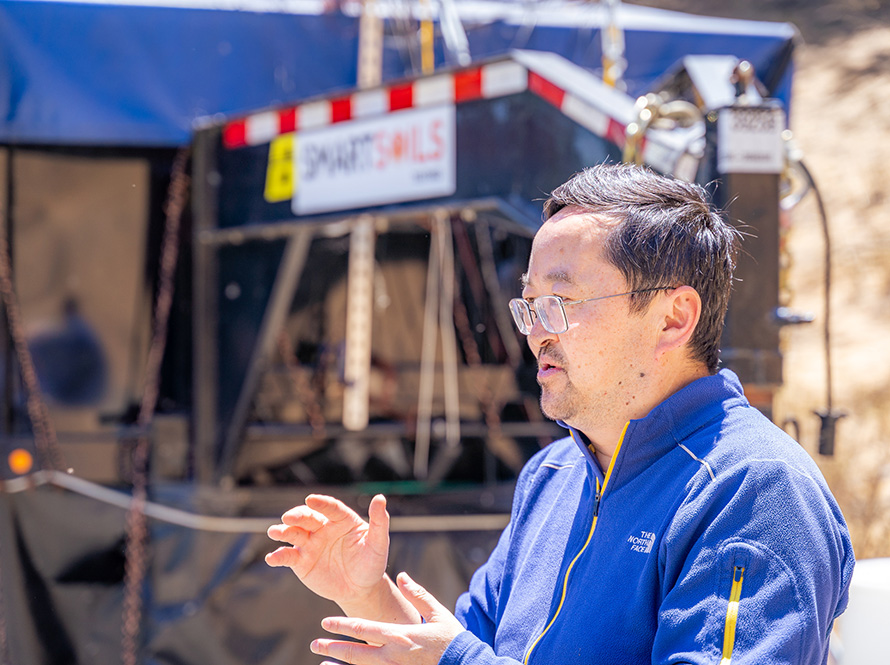
The SMART Soils testbed allows for controlled soil ecosystem studies that utilize novel sensing approaches to better understand plant-soil-microbe interactions.
