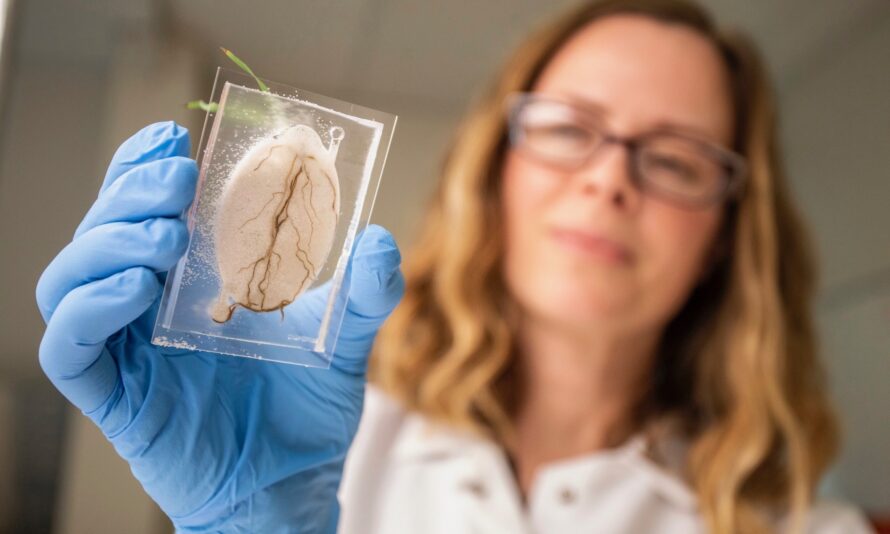
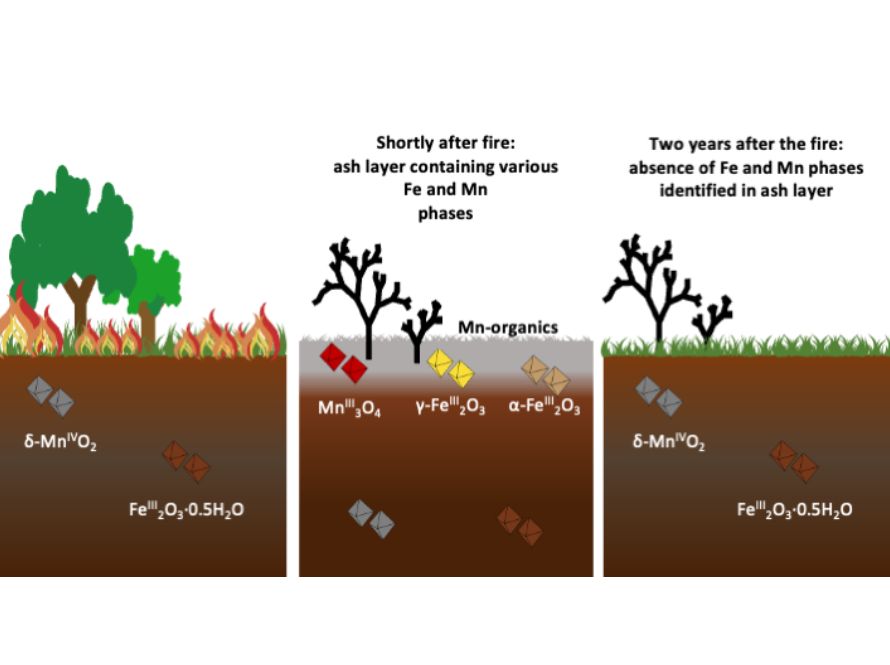
How Wildfires Transform Soil Chemistry
Peter Nico Appointed Director of Berkeley Lab’s Energy Geosciences Division
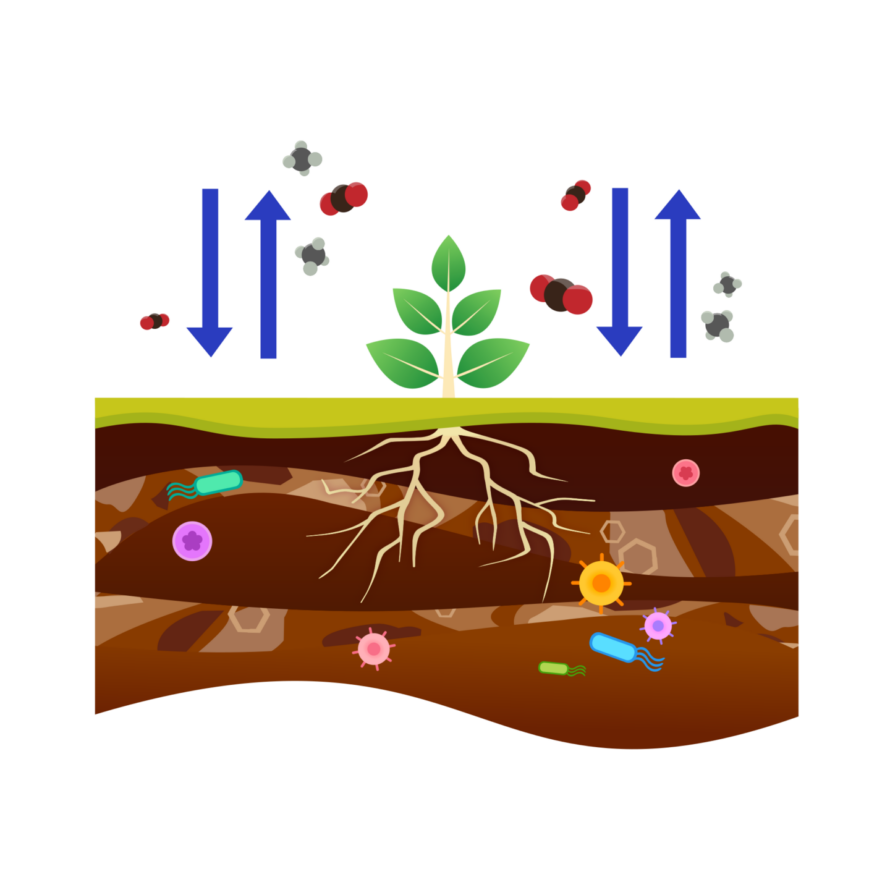
Microbes Matter: A New Framework to Represent Microbial Function in Ecosystem Models
Closing Knowledge Gaps in the Carbon Cycle by Studying Coastal Ecosystem Carbon Fluxes
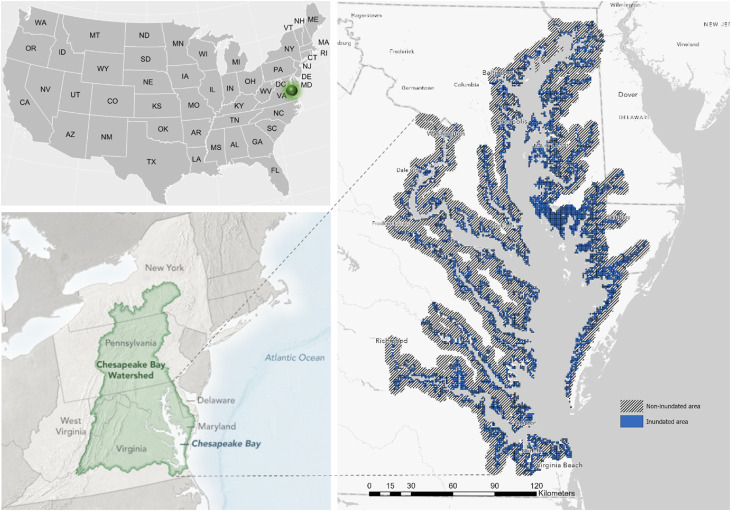
BioEPIC: Crossing Scales and Disciplines to Accelerate our Understanding of How Microbes Impact Earth’s Ecosystems
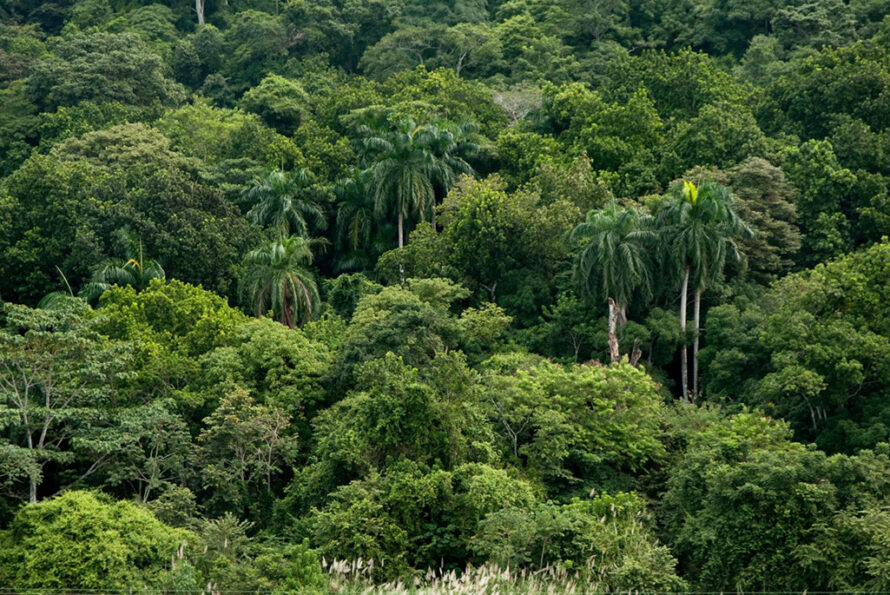
EESA Scientists Investigate How Tropical Soil Microbes Might Respond to Future Droughts
EESA Scientists Develop New Model to Study Watershed Flow and Chemical Transport
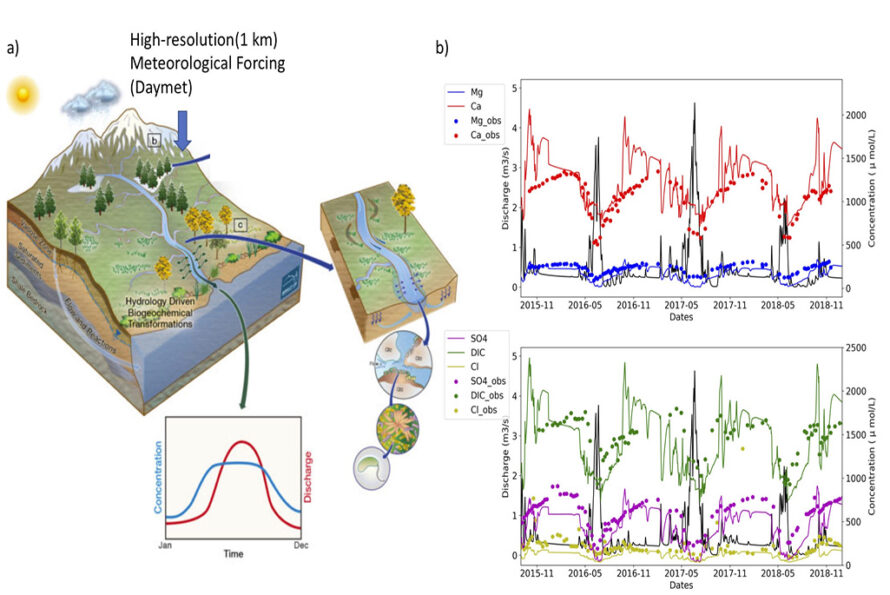
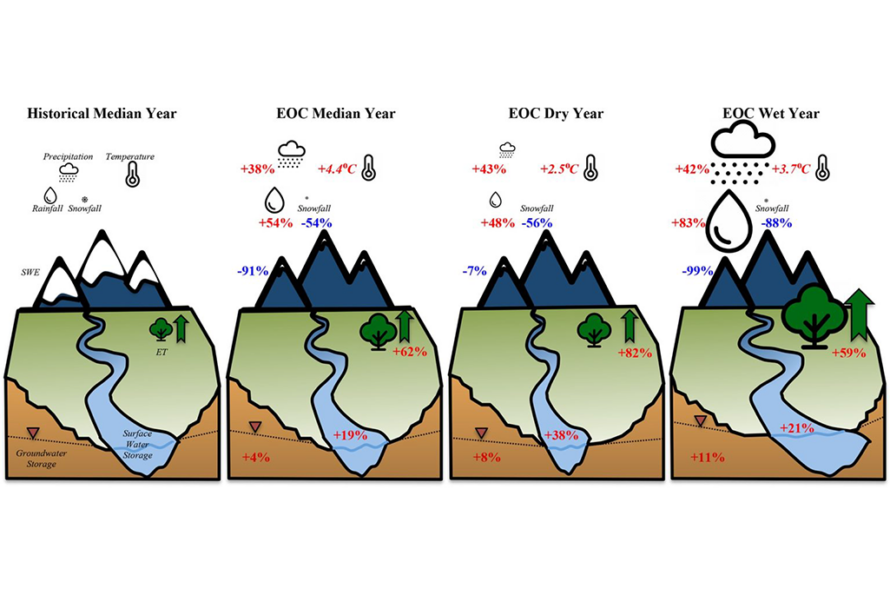
EESA Scientists Model Watershed Response to Future Climate Extremes
Small-scale Changes in Environment Can Have Large Effects on Microbial Communities
Depending Upon Soil Depth, Warming Affects Microbes Differently
Tiny Toxins: How Algal Blooms Affect Coastal Systems Through a Complex Web of Interactions
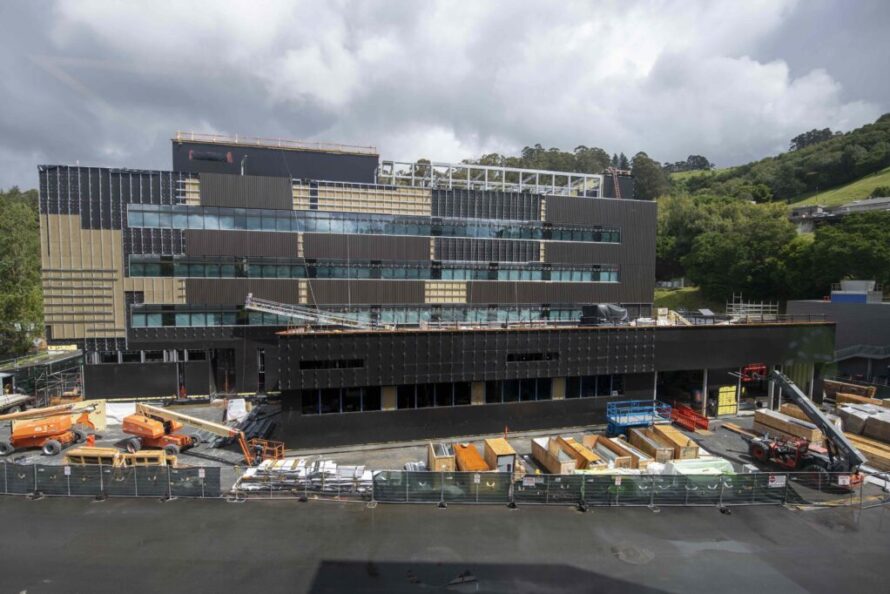
Berkeley Lab Receives DOE Support for Building to Study Microbe-Ecosystem Interactions for Energy and Environmental Research